

Making Poetry Exciting and Relevant
Analysing poetry can feel like a frustrating challenge because the meaning of a poem can be hidden, implied, subtle, vague and complicated. At the same time, though, it is a skill that can have the most profound and lasting impact. Not only is the ability to grasp subtle, complex messages and meanings an important life skill, but deciphering a poem can trigger radical new ways of thinking and of seeing the world
These resources focus on making poetry relevant and exciting. They are designed to help learners interpret poetry and not only work out what the poet meant, but also what the poem means to them. This is more than just the fun, potentially enlightening part of the process. Developing and substantiating their own views is exactly the kind of independent, individual thinking the IEB encourages. It will also serve learners well in the Grade 12 examination because the examiners will always want to reward a different, fresh interpretation.
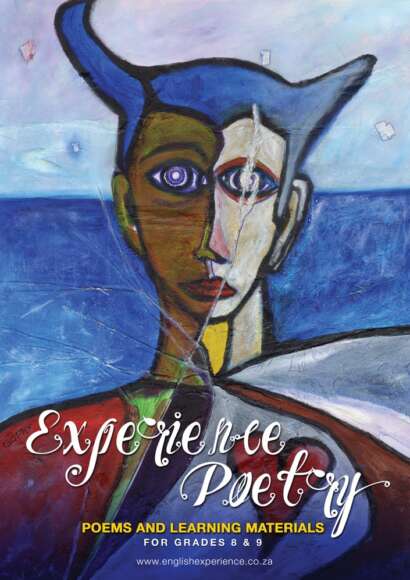
EXPERIENCE POETRY
Poems and Learning Materials for Grades 8 and 9
This imaginative, innovative resource focuses on developing the key skills that students in Grades 8 and 9 will need to understand and analyse poetry effectively.
Designed to be used exhaustively over this two year period, it features detailed explanations of all major Figures of Speech, poetic devices and poetry forms, with illuminating examples and skills-focussed exercises aimed at honing students’ understanding of each topic.
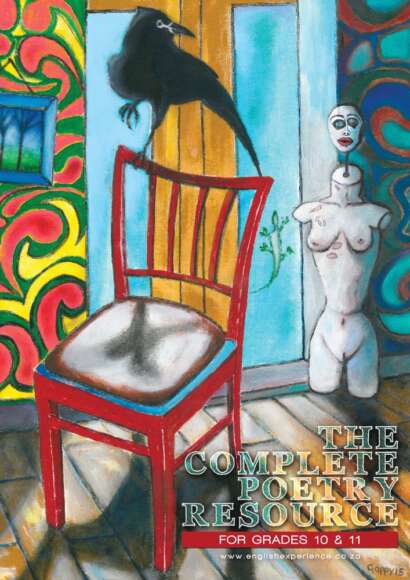
THE COMPLETE POETRY RESOURCE
Poems and Learning Materials for Grades 10 and 11
This in-depth resource is ideal for teaching poetry to learners in Grades 10 and 11. Much more than an anthology, this resource prepares learners for Grade 12 poetry by analysing poems from the last 500 years and presenting each one in the context of its time period, using a combination of perennial favourites from the masters and inspiring, edgy contemporary verse.
Meet the requirements of the curriculum in a completely fresh, contemporary way!
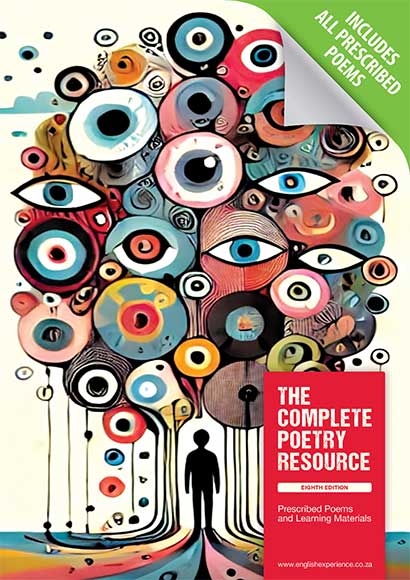
THE COMPLETE POETRY RESOURCE (EIGHTH EDITION)
Prescribed Poems and Learning Materials for Grade 12
Completely updated for the 2026-28 Grade 12 IEB syllabus, this popular resource has been carefully revised and extended. Now in its eighth edition, it features a section on African poetry, covering both Colonial and Post-colonial African poetry. The resource offers even more context and more detailed analyses of all 16 prescribed poems; quirky and interesting ‘fun facts’; comprehensive contextual and intertextual questions, and a challenging Unseen Poetry section, which also includes guidelines on how to prepare for this section in the examination.